
Data-Driven Growth: What Top Creators Will Prioritise as We Move Toward 2026
As the creator economy matures, growth is shifting from intuition to data. This article explores the metrics, systems, and priorities shaping creators toward 2026.

Key Takeaways
- As the creator economy matures, data not volume will become the primary growth differentiator.
- Leading creators are already shifting away from vanity metrics toward retention, conversion, and revenue efficiency.
- Research shows creator income is highly concentrated; portfolio-level thinking is emerging as a competitive advantage.
- By 2026, creators who measure behaviour not just reach are positioned to grow more sustainably.
From Intuition-Led Growth to Evidence-Led Decisions
For much of the last decade, creator growth was driven by intuition, consistency, and platform fluency. Posting frequently, reacting to engagement spikes, and experimenting publicly were effective strategies in a relatively unsaturated environment. That context is changing.
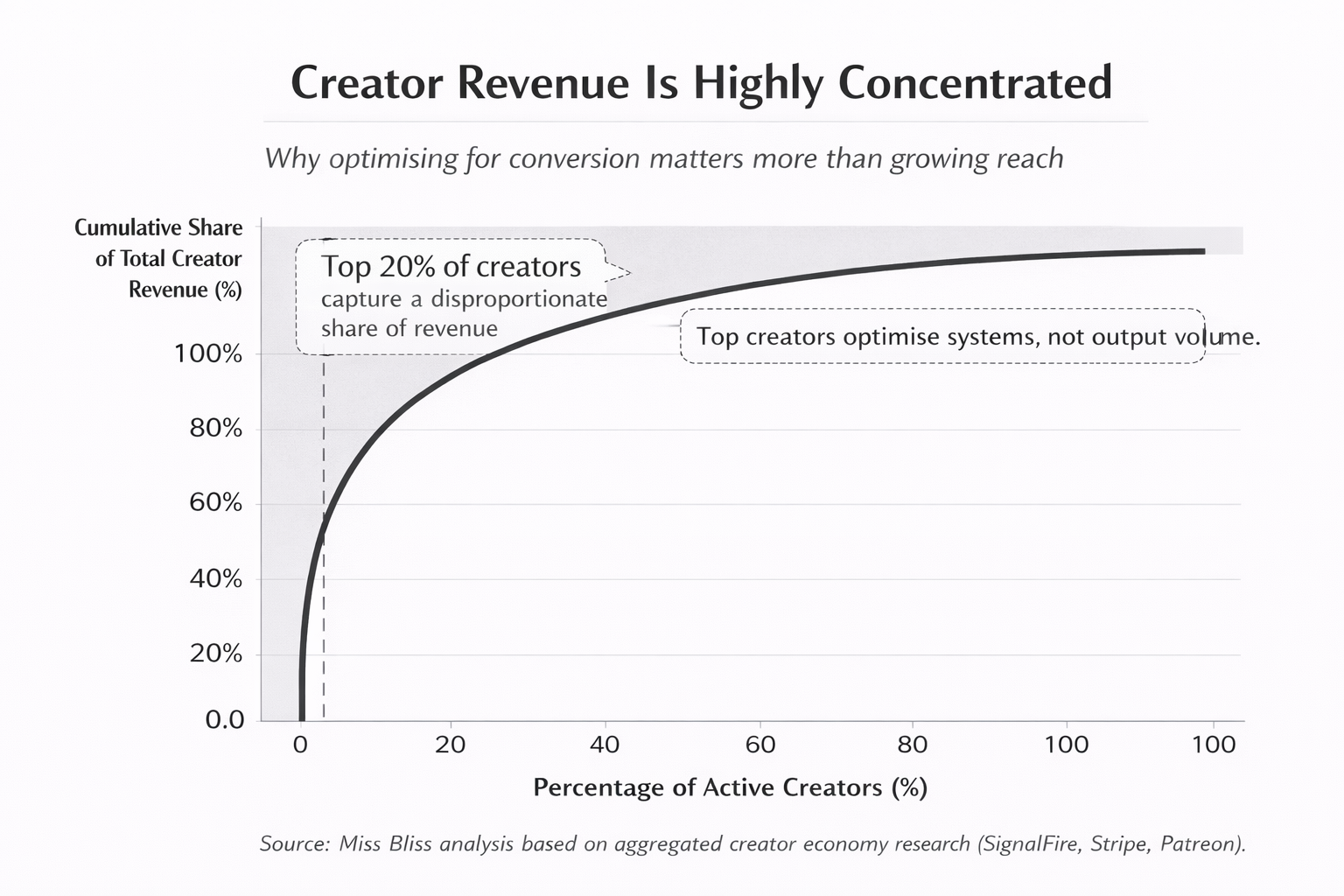
As we move toward 2026, the creator economy is becoming more competitive, more professionalised, and more financially uneven. Research increasingly shows that a small percentage of creators capture a disproportionate share of revenue, while the majority struggle to translate attention into stability.
In this environment, creators are beginning to prioritise measurement over momentum. Not to reduce creativity but to protect it. This article has same significance for all form of creators, either you are fitness content creator or an adult content creator.
1. The Shift Away from Vanity Metrics
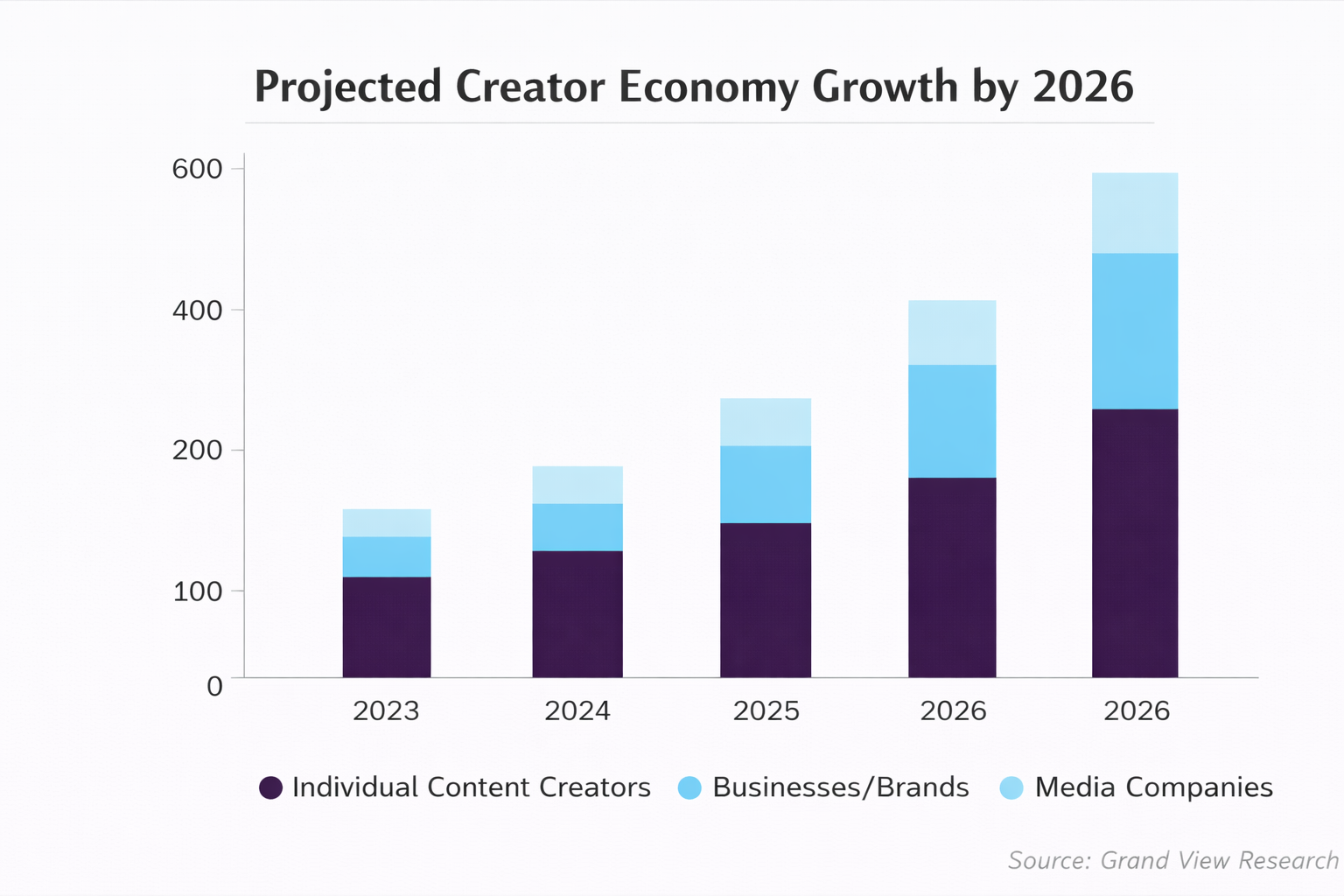
Multiple industry studies indicate that surface-level engagement metrics correlate poorly with long-term creator income. According to SignalFire’s Creator Economy Report, while the number of creators continues to grow year over year, median creator earnings remain flat, signalling that visibility alone is no longer a reliable proxy for success.
Emerging priority metrics include:
- Audience retention and repeat engagement
- Conversion rates from content to paid support
- Revenue per engaged follower
- Engagement depth (comments, saves, direct interactions)
Data Insight:
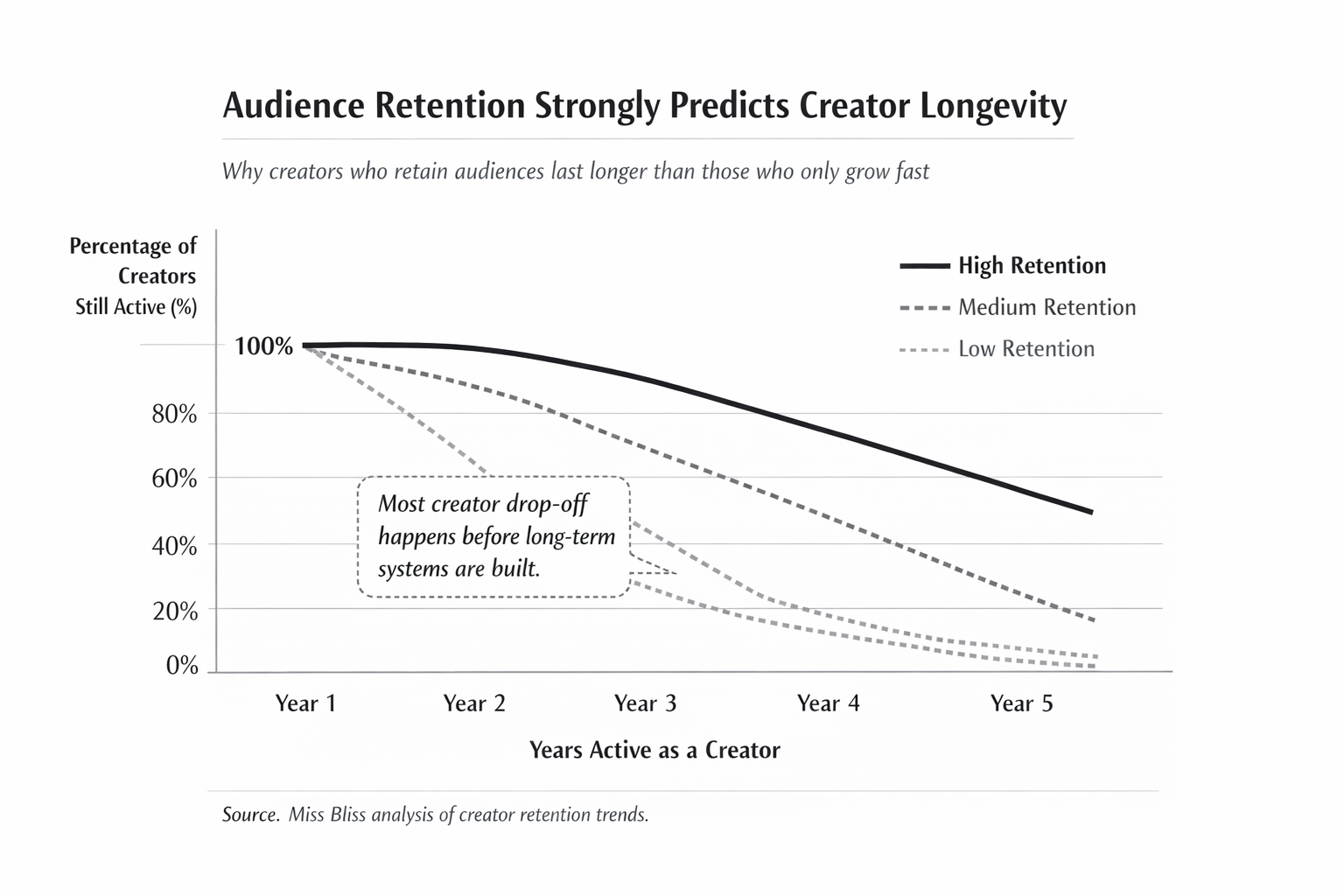
Creators who track retention and conversion outperform those optimising primarily for reach, especially in subscription-based models.
2. Content as a Portfolio, Not a Collection of Posts
As we approach 2026, a clear pattern is emerging among higher-earning creators: content is no longer evaluated post by post.
Research from Stripe and Substack consistently shows that a minority of content assets generate the majority of creator revenue.
This has led leading creators to adopt a portfolio mindset, analysing:
- Which content attracts new audiences
- Which content builds trust over time
- Which formats reliably convert
- Which efforts consume energy without compounding value
By 2026, creators who think in portfolios rather than isolated outputs are more likely to scale without burnout.
3. Audience Segmentation as a Growth Multiplier
Broad broadcasting is becoming less effective as audiences fragment and mature. Research from McKinsey & Company on digital communities shows that personalised engagement drives significantly higher lifetime value than generic messaging.
Creators are increasingly segmenting audiences by:
- Engagement frequency
- Longevity (new vs long-term supporters)
- Spending behaviour
- Interaction preferences
This enables creators to deliver relevance without increasing volume, an increasingly important advantage as time and attention become constrained resources.
4. Monetisation Is Becoming Systematic, Not Emotional
Looking toward 2026, monetisation is shifting from reactive to operational. Data from Patreon indicates that creators with clearly defined funnels and pricing logic experience lower churn and more predictable income than those relying on sporadic launches or viral spikes.
Key metrics creators are beginning to track:
- Time-to-conversion after first engagement
- Drop-off points in subscription journeys
- Revenue volatility tied to posting gaps
- Content-to-revenue lag
The implication is clear: creators who treat monetisation as a system, not an outcome, are better positioned for long-term stability.
5. Data as Creative Protection, Not Creative Constraint
One of the most misunderstood aspects of data-driven growth is its impact on creativity. Evidence suggests the opposite of what many fear.
By using data to identify what doesn’t work, creators reduce:
- Over-posting
- Low-impact experimentation
- Emotional decision-making
- Burnout cycles
As we move toward 2026, data increasingly functions as a creative boundary, preserving energy for high-leverage ideas rather than constraining expression.
Conclusion: Measurement as the New Creative Moat
The next phase of the creator economy will not be defined by who posts the most, adapts the fastest, or chases the latest platform feature.
It will be defined by clarity.
By 2026, creators who understand their data—retention, conversion, and revenue dynamics will compound advantages that intuition alone can no longer provide. Data-driven growth does not replace creativity; it aligns effort with impact.
At Miss Bliss, this shift represents not a trend, but a structural evolution: creators building with intention, evidence, and long-term control.