How to Handle Burnout as a Full-Time Creator
In today’s creator economy, burnout has become increasingly common. Balancing multiple platforms, planning, shooting, editing, collaborating, engaging with audiences, and preparing future posts can gradually drain creativity and focus.

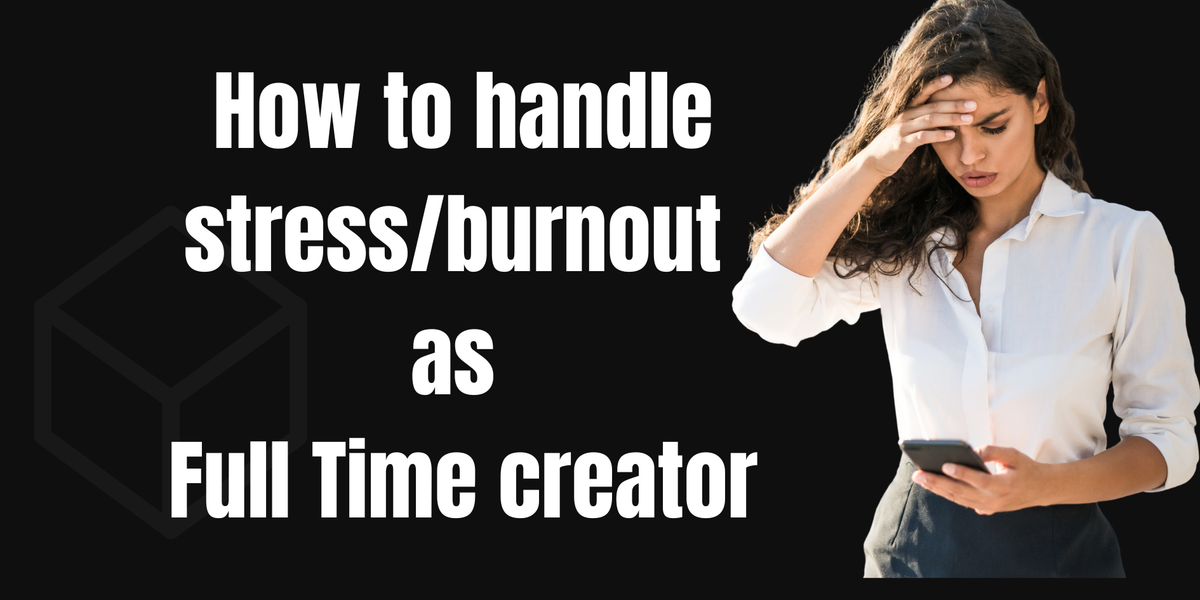
In today’s creator economy, burnout has become increasingly common.
Balancing multiple platforms, planning, shooting, editing, collaborating, engaging with audiences, and preparing future posts can gradually drain creativity and focus.
If left unaddressed, this strain doesn’t just affect productivity, it dulls motivation, inspiration, and long-term consistency.Understanding why burnout happens and learning to manage it early helps creators stay consistent and creatively healthy.
1. When Managing Multiple Platforms Becomes Overwhelming
Creators today don’t just create, they manage entire ecosystems. Posting across platforms, replying to messages, analyzing performance, and planning collaborations can make every day feel like a never-ending cycle. This constant multitasking leads to fatigue and fragmented focus.
How to handle it:
- Review your workload: Identify which platforms and tasks deliver the best return creative or financial and streamline the rest.
- Plan visually: Use moodboards or visual calendars to plan content themes, tones, and directions. It simplifies creative thinking.
- Adopt better systems: Find tools or workflows that make planning and scheduling simpler. The goal is efficiency, not more tech.
- Delegate when possible: Editors, planners, or virtual assistants can help you focus on creativity rather than routine execution.
2. When Effort Isn’t Converting Into Results
Few things exhaust creators faster than putting in consistent effort without seeing growth. When engagement flattens or numbers stall, burnout quickly follows not from overwork, but from disappointment.
How to handle it:
- Zoom out your perspective: Don’t measure success daily. Evaluate performance monthly or quarterly for a fairer, less emotional view.
- Experiment with direction: Refresh strong ideas with new formats, styles, or collaborations instead of repeating what’s not working.
- Collaborate for reach: Working with other creators brings fresh energy and introduces you to new audiences.
- Refocus on your “why”: Remember what your spectators value about your personality, insight, or storytelling and build from there.
3. When Repetition Starts Dulling Creativity
Burnout doesn’t always come from overwork; often, it’s from monotony.
Repeating the same format, tone, or setup drains excitement, even when content performs well.
How to handle it:
- Change your environment: Shoot in new places, adjust your workspace, or change your creative schedule small shifts often spark new ideas.
- Mix intensity levels: Alternate between high-effort productions and lighter, authentic pieces like behind-the-scenes or casual clips.
- Collaborate for creativity: Co-creating with others introduces fresh thinking and helps you see your niche from new angles.
4. When Engagement Pressure Becomes Draining
Creators often feel responsible for constant engagement, replying to every comment, DM, and request. That invisible pressure can quietly lead to emotional burnout.
How to handle it:
- Set engagement limits: Allocate dedicated windows to reply and interact, instead of staying always available.
- Prioritize genuine connection: Focus on meaningful interactions rather than volume. Audiences remember authenticity more than immediacy.
- Automate repetitive replies: Simple templates or short scripts for FAQs keep tone personal without draining time.
5. When Isolation Reduces Motivation
Many creators work solo, often from home or studios, with limited external input. Over time, isolation reduces both energy and inspiration.
How to handle it:
- Connect offline: Attend creative meetups, workshops, or even casual creator hangouts to exchange ideas and stay inspired.
- Collaborate regularly: Shared shoots or creative projects bring social energy and shared learning.
- Keep learning: Short courses or skill updates can reignite enthusiasm and evolve your style.
Recharging: Finding Renewal Without Losing Momentum
Recharging doesn’t always mean taking a complete break it’s about restoring energy through change. Some creators rest by disconnecting, while others find renewal by exploring new places, collaborating, or creating differently. The goal is to re-energize your creativity, not stop it.
Ways to recharge effectively:
- Shift your environment. Travel, explore, or simply work from a new space. A change of scenery often brings new ideas and perspective.
- Collaborate for renewal. Partner with creators whose energy complements yours. Shared projects or content swaps refresh both workflow and mindset.
- Engage in low-pressure creation. Try lighter formats, spontaneous clips, personal reflections, or quick updates to stay active without heavy editing.
- Plan short, strategic pauses. Take breaks between major projects for reflection and rest before exhaustion hits.
- Learn or explore new skills. Workshops, creative courses, or even hobbies can help you return with fresh insight.
Recharging is about renewal, not retreat. It’s how creators maintain momentum, evolve creatively, and prevent burnout from becoming a cycle.
In Summary
Burnout is a signal, not a standard part of creative work. It appears when demand exceeds recovery, when creativity is forced without renewal.
To prevent it:
- Streamline your workload and focus on what matters.
- Redefine success by progress, not speed.
- Refresh your creative process through collaboration and variety.
- Recharge through new experiences, learning, and intentional rest.
The most sustainable creators aren’t those who never slow down, they’re the ones who know how to renew their creativity before it runs dry. If you are a new creator and starting on yourself, its very important for you to deal burnout before it starts effecting your creativity.